Checking Out the Leading Misconceptions and Realities Bordering Weight Loss for Better Outcomes
The landscape of weight loss is typically shadowed by mistaken beliefs. Lots of individuals hold on to popular myths that can prevent their progression. For example, the belief that carbohydrates are naturally dangerous or that avoiding meals can quicken results is extensive. However, understanding the realities behind these myths is essential for reliable weight administration. As one browses via these common fallacies, a clearer image of effective weight loss approaches starts to arise. What insights wait for beyond these initial misunderstandings?
Myth 1: Carbs Are the Opponent
Several diets promote the concept that carbohydrates are the primary culprit behind weight gain, this perspective oversimplifies an intricate problem. Carbohydrates are an essential macronutrient that gives energy for everyday tasks and physical functions. Rather than categorizing all carbohydrates as harmful, it is vital to distinguish in between basic and intricate carbohydrates. Simple carbs, found in sugary treats and beverages, can cause rapid spikes in blood sugar level and add to weight gain when taken in excessively. Alternatively, complex carbohydrates, such as whole grains, fruits, and veggies, use crucial nutrients and fibers that support overall health. The body calls for a balanced intake of macronutrients, and removing carbohydrates completely can lead to nutritional deficiencies. Lasting weight management includes moderation and understanding one's specific nutritional needs. As a result, mounting carbs as the adversary ignores their possible benefits and misstates the intricacies of weight loss.
Misconception 2: Skipping Meals Aids With Weight Loss
Avoiding meals is commonly perceived as a reliable technique for weight loss, but this method can be counterproductive. Several individuals think that by reducing their caloric consumption through dish omission, they can shed pounds quicker. Nonetheless, study suggests that avoiding dishes can lead to raised cravings and yearnings in the future, typically resulting in overeating.Additionally, the body might enter a state of starvation, slowing down metabolism to preserve energy. This reaction can hinder weight loss efforts and bring about nutrition shortages, adversely impacting overall health.Moreover, consistent meal skipping can interrupt hormonal equilibrium, influencing appetite hormonal agents like ghrelin and leptin, which control cravings. People might find it hard to keep long-term weight loss. Rather, a well balanced strategy that includes routine meals and nutrient-dense foods is recommended for reliable weight management and overall health.
Myth 3: All Calories Are Created Equal
While many individuals might presume that all calories contribute just as to weight gain or loss, this point of view neglects important aspects such as nutrition high quality, metabolic impacts, and individual actions to various foods. For instance, 100 calories from a nutrient-dense food like almonds will impact the body in different ways than 100 calories from a sweet snack. The previous provides helpful nutrients and promotes satiety, while the latter may cause quick blood glucose spikes and enhanced hunger.Moreover, various foods can modify metabolic process. Protein-rich foods require even more power to digest contrasted to fats or carbs, resulting in a greater thermic result of food. Additionally, people might react variably to particular foods because of genetic aspects, intestine microbiota, or individual health and wellness conditions. As a result, the concept that all calories are equal streamlines weight loss, ignoring the intricate interactions in between food kinds and private physiology that eventually influence weight management.
Myth 4: You Can Identify Reduce Fat
The belief that one can identify minimize fat-- dropping weight in specific locations of the body with targeted exercises-- continues to be an usual mistaken belief. Many individuals presume that executing exercises targeting details muscle groups, such as crises for the abdominal area or leg lifts for thighs, will certainly result in fat loss in those locations. Weight Loss Service. Nevertheless, clinical study shows that weight loss occurs uniformly throughout the body instead of in separated regions.When one takes part in exercise, the body sets in motion fat stores throughout, replying to overall calorie deficiencies as opposed to localized exercises. Genetics, body composition, and hormonal elements additionally play considerable functions in identifying where fat loss takes place. A detailed method that includes a balanced diet regimen and routine cardio and strength training is important for reliable weight monitoring. Recognizing this reality can assist people established practical assumptions and concentrate on lasting, total health enhancements instead of fast fixes
Myth 5: Eating Fat Makes You Fat
Myth 5 asserts that consuming fat certainly leads to weight gain. Nevertheless, comprehending the various kinds of nutritional fats and their roles in weight monitoring exposes a much more nuanced viewpoint. Healthy and balanced fats can be advantageous and might also aid in achieving a balanced diet regimen and maintaining a healthy and balanced weight.
Kinds Of Dietary Fats
Many individuals believe that consuming dietary fats straight causes weight gain, but this misunderstanding oversimplifies a complicated concern. Dietary fats can be classified right into three primary types: saturated, unsaturated, and trans fats. Hydrogenated fats, usually located in pet products, can increase cholesterol degrees and should be eaten in moderation - Weight Loss Service. Unsaturated fats, which include monounsaturated and polyunsaturated fats, are typically located in plant-based oils, nuts, and fish, and are taken into consideration beneficial for heart health and wellness. Trans fats, commonly found in processed foods, should be prevented due to their unfavorable wellness impacts. Understanding these different kinds of fats is necessary for making informed nutritional options, stressing that not all fats are equivalent in their effect on wellness and weight monitoring
Role in Weight Administration
Although eating nutritional fats has long been connected with weight gain, this viewpoint neglects the nuances of nutrition and metabolic process. Actually, fats play an important duty in satiation, helping individuals feel fuller longer, which can stop overindulging. Healthy and balanced fats, such as those found in avocados, nuts, and olive oil, can sustain metabolic health and wellness and even help in weight administration when eaten in moderation. Furthermore, the body calls for fats for important functions, including hormonal agent production and nutrient absorption. Misconstruing the function of dietary fat can lead to unhealthy eating patterns that prioritize low-fat choices, commonly high in sugars and fine-tuned carbs. For that reason, incorporating healthy and balanced fats into a balanced diet is essential for effective weight management and general wellness.
Myth 6: Supplements Are Necessary for Weight Loss
The belief that supplements are important for weight loss is a common misconception. Focusing on all-natural foods and evidence-based approaches can lead to more lasting and effective results. Depending only on supplements might overlook the value of a balanced diet and healthy and balanced way of life options.
All-natural Foods First
While some people think that weight loss supplements are important for losing extra pounds, evidence suggests that prioritizing all-natural foods is even more efficient. Health foods, such as fruits, veggies, whole grains, and lean proteins, supply necessary nutrients that sustain a healthy metabolism and promote satiety. These foods are normally reduced in calories yet high in fiber, making them useful for weight monitoring. Additionally, they often contain fewer ingredients and preservatives compared to processed alternatives. By concentrating on entire foods, Weight Loss Service people can cultivate sustainable eating practices, which add to long-term weight loss success. Eventually, incorporating healthy foods into one's diet plan not only aids in weight loss but also boosts total health and wellness.
Evidence-Based Strategies
Several individuals wrongly believe that weight loss supplements are important for accomplishing their goals, yet research indicates that an extra efficient technique depends on evidence-based approaches that stress way of life changes. Research studies constantly show that lasting weight loss is better accomplished with balanced nutrition, routine physical activity, and behavioral alterations. These methods foster long-lasting behaviors that add to total wellness. While some supplements may offer short-term help, they usually lack the substantial advantages related to a well-shaped method. Additionally, reliance on supplements can result in ignoring necessary dietary and exercise practices. Eventually, people looking for weight loss success ought to concentrate on tried and tested techniques that prioritize healthy and balanced consuming and active living instead than fast fixes, ensuring enduring results and enhanced wellness.
Misconception 7: Weight Loss Is Everything About Self-discipline
Self-discipline is typically advertised as the secret to successful weight loss, this belief oversimplifies a complex procedure influenced by numerous factors. The trip of weight loss encompasses organic, psychological, and environmental aspects that expand past mere self-discipline. Aspects such as genetics, metabolic rate, hormone imbalances, and psychological health and wellness play considerable functions in a person's ability to shed weight.Moreover, external impacts like stress, accessibility to healthy foods, and social assistance can dramatically impact one's success. A reliance only on self-discipline can result in frustration and sensations of failure when results are not instant or consistent. Sustainable weight loss generally entails a multifaceted strategy, incorporating well balanced nutrition, normal physical task, and behavioral adjustments. Recognizing that determination alone is not enough allows people to embrace much more effective methods, eventually cultivating a much healthier connection with food and body photo.
Frequently Asked Questions
How Do Genetics Effect Weight Loss Success?
Genes significantly affect weight loss success by influencing metabolic process, fat distribution, and hunger regulation. Private genetic tendencies can create varying responses to diet regimen and exercise, making weight loss much easier for some and more challenging for others.
Is It Possible to Shed Weight Without Working Out?

What Duty Does Rest Play in Weight Loss?
Rest significantly affects weight loss by managing hormones that manage appetite and metabolic rate. Inadequate sleep may cause enhanced desires and reduced energy expenditure, making it extra difficult for individuals to accomplish their weight loss goals efficiently.
Exactly How Can Anxiety Affect Weight Management?
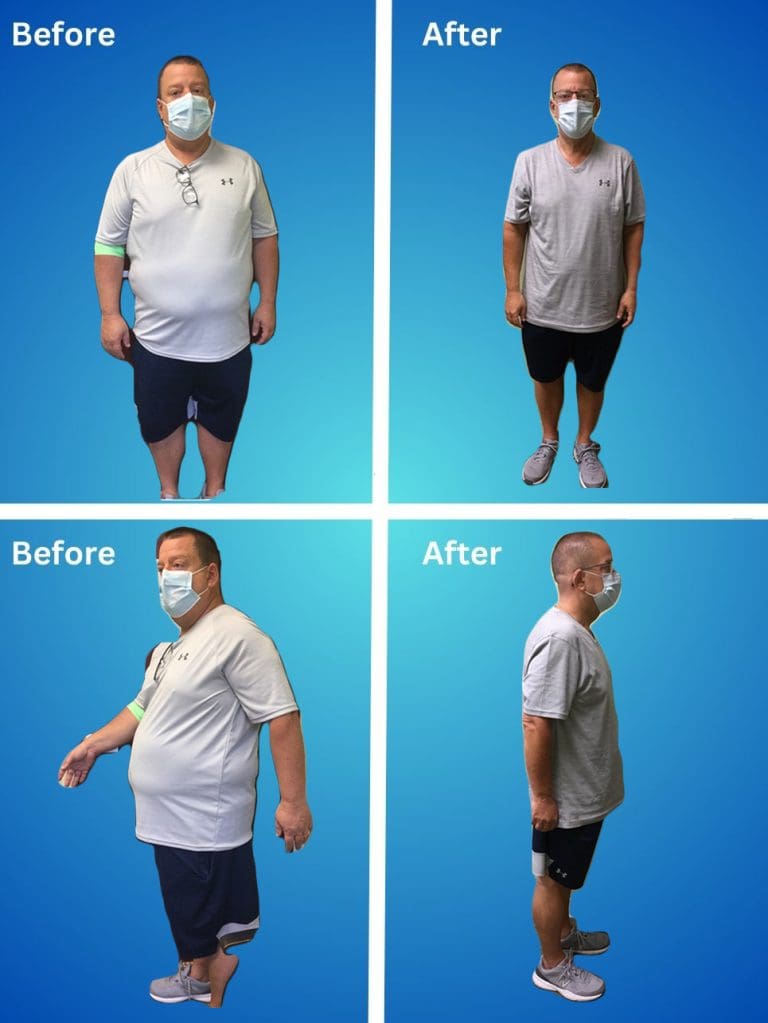
Anxiety can substantially influence weight management by activating hormone adjustments that enhance appetite and yearnings for junk foods - Weight Loss Service. Furthermore, it may result in psychological consuming, resulting in weight gain and challenges in preserving a healthy and balanced lifestyle
Exist Any Type Of Wellness Threats to Rapid Weight Loss?
Rapid weight loss can posture numerous wellness threats, consisting of vitamins and mineral shortages, loss of muscular tissue mass, gallstones, fatigue, and electrolyte imbalances. It is crucial to approach weight loss slowly and with appropriate medical support to assure safety and security.